
“The labour of the mother who sets herself to understand her work is not increased, but infinitely lightened; as for life being made heavy with the thought of these things, once make them our own, and we act upon them as naturally as upon such knowledge—scientific also—as, loose your hold of a cup, and it falls. A little painstaking thought and effort in the first place, and all comes easy.“
— Charlotte Mason, Parents and Children, pg. 91
Do you struggle to keep any sort of records for homeschool? Find it troublesome? Or even, painstaking? It’s very discouraging to stare at my planner, and to chase after the impossible expectation of checking off every single box, year after year, that I almost gave up the ideal of keeping any record at all.
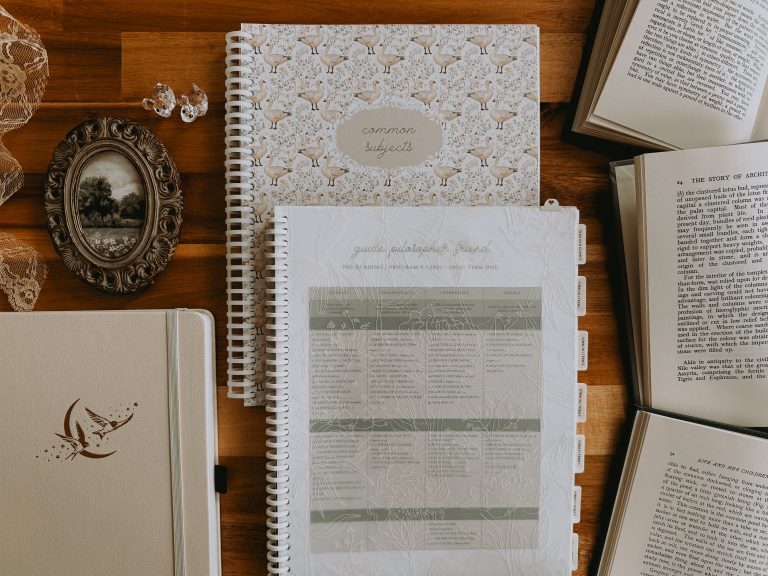
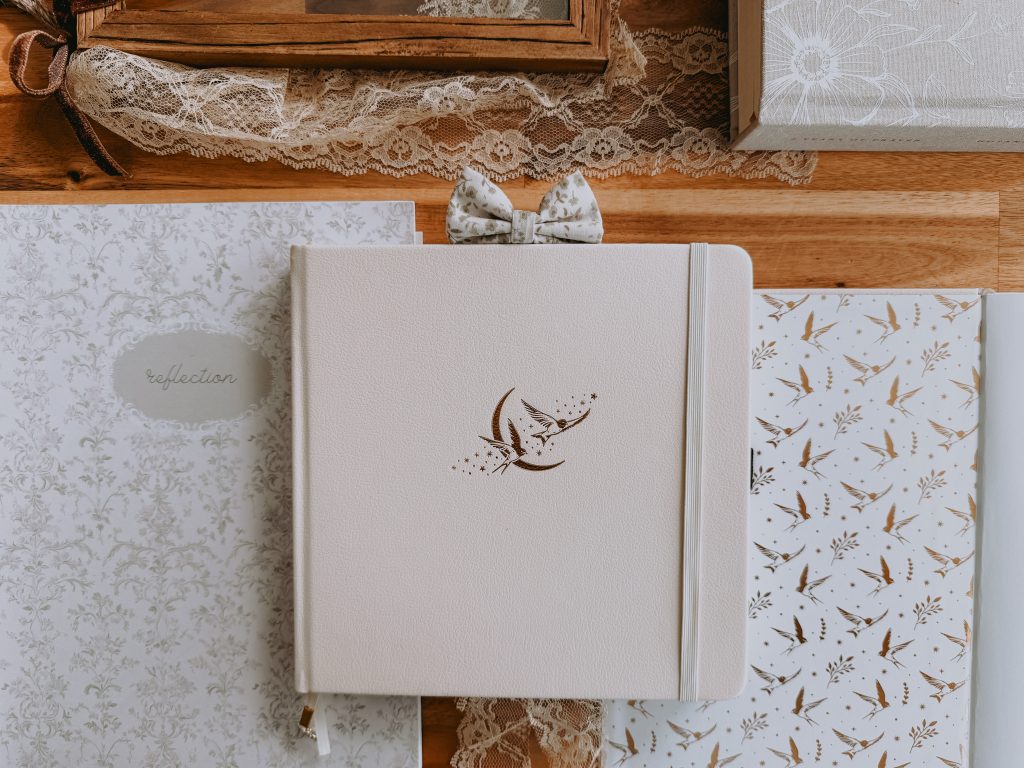
Thanks to the CMEC‘s Summer Planning Course, I was first introduced to this life-giving tool called “mother’s logbook,” a habit of collecting “data,” or observations, during the lesson, so that my mind can be freed to concentrate on the task in front of me. This concept of record-keeping is so new to me that I basically stared at my 8×8 dot grid notebook for three months, before giving it a try. Every family and every season of homeschool is so unique, but I hope these inspirations will motivate you to jump right in!
1. Table of Contents
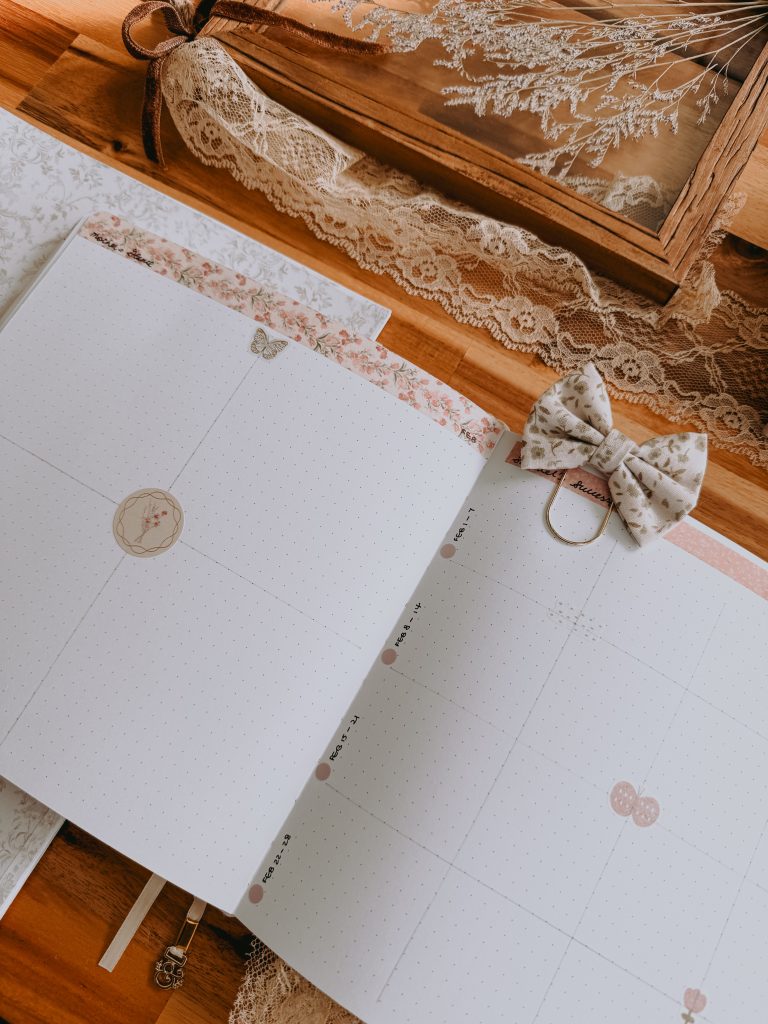
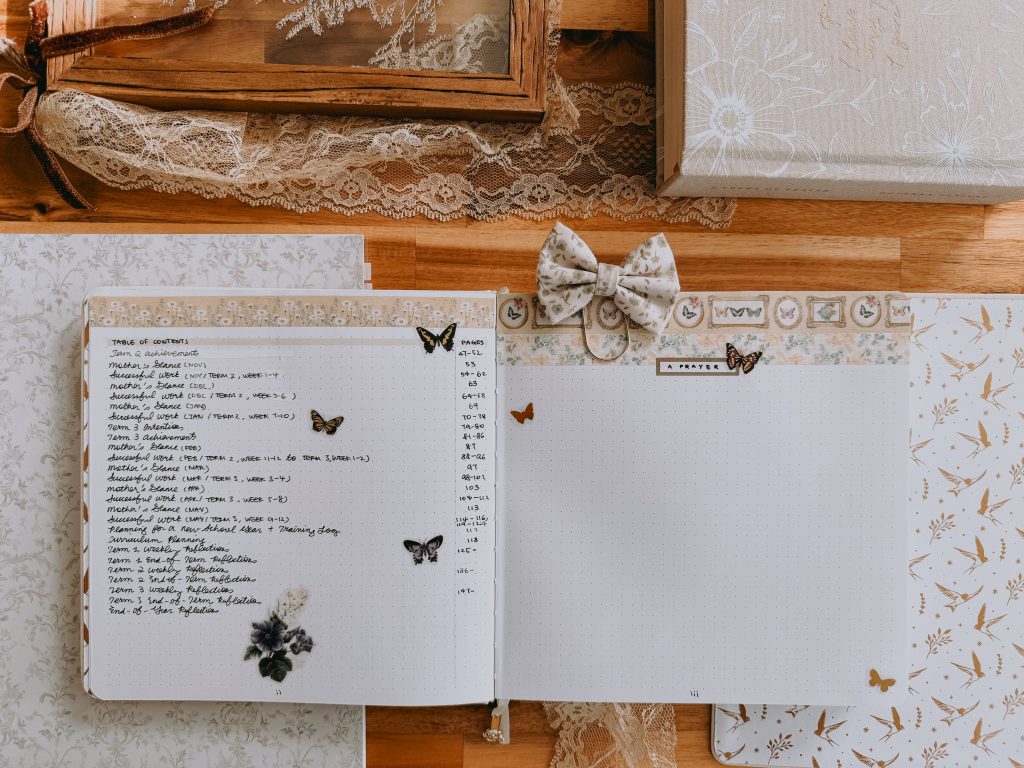
My grid notebook comes with two ribbon bookmarks, but easy access to all the pages is a necessity to me. My go-to solution is usually by adding labeled tabs on the side. However, for the purpose of preserving the beauty of my logbook, I decided not to add tabs but keep a simple table of contents (left). I also devoted a page for prayer (right), which I will write in before we officially start this new school year.
2. Reflections & Intentions
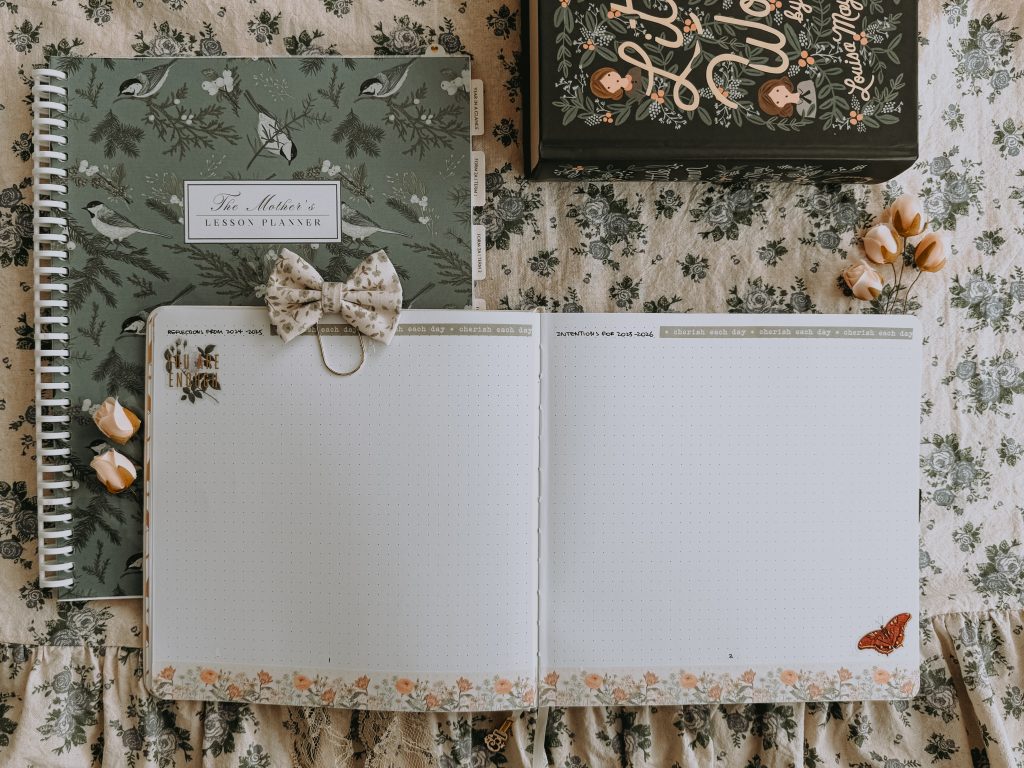
(Left) I have a page for “Reflections from 2024-2025” so I will have a record of where we came from the year before. I intend to focus mostly on the positive things, and note a few things we can do better this year.
(Right) “Intentions for 2025-2026” is just a page to write in what we would love to improve or experience, or whatever inspirations I come across from my reading.
At the beginning of each term, I have also set aside a spread (two pages) for “Term Intentions,” such as habits to work on, rhythms to build, or traditions to keep, etc. for the next 12 weeks.
3. Term Achievements
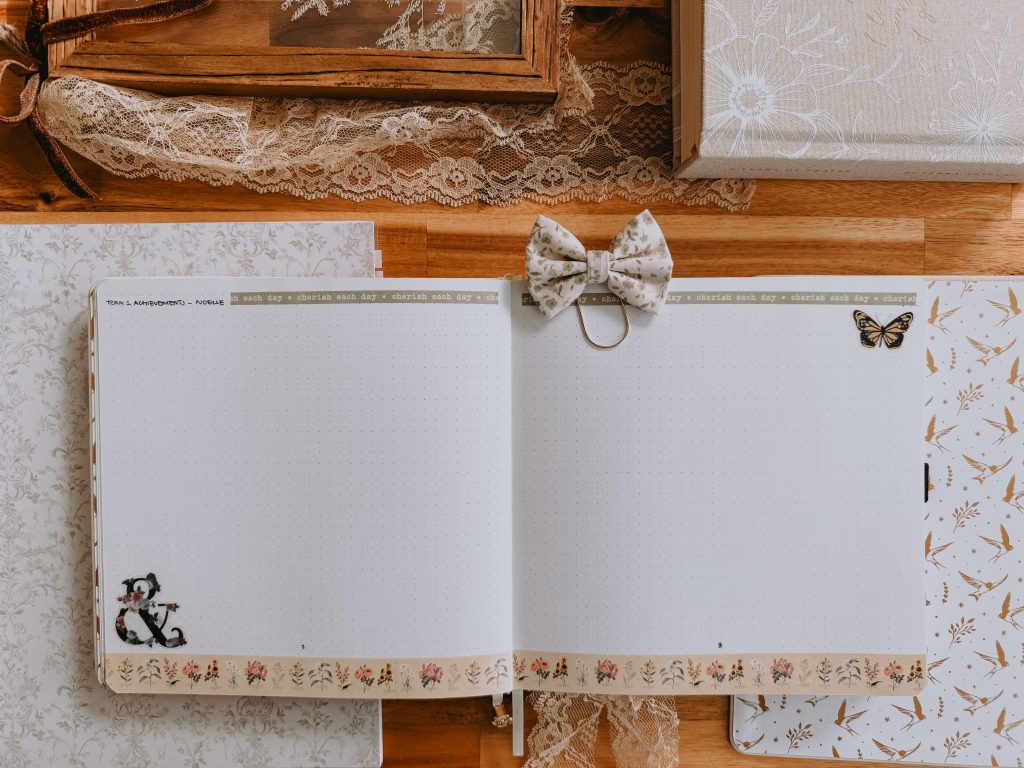
For each term, each of my children will have a spread to record their extracurricular achievements—new things they have learned/mastered, handcrafts/art projects accomplished, poems recited, scripture memorized, new piano songs or dance movements mastered, any developmental milestones, etc.
4. Monthly Glance & Kinderleben — Successful Work
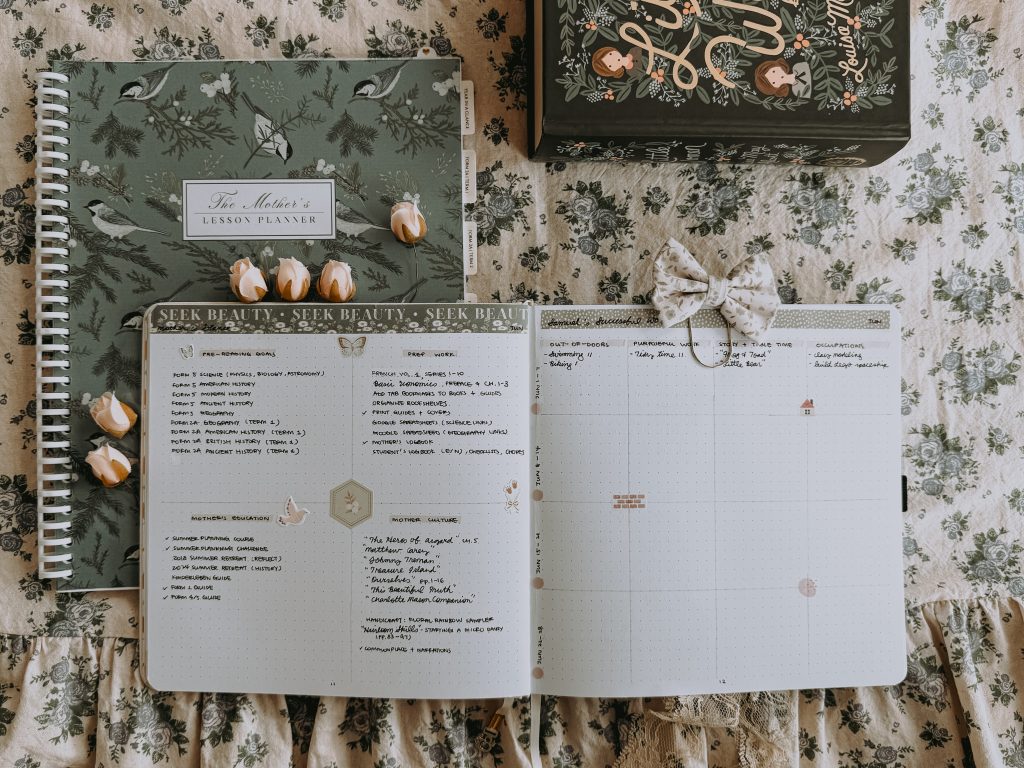
(Left) Each month, I set aside one page for mother culture. For the summer months, I would like to focus on my pre-reading goals, summer planning prep work, mother’s education, and any leisurely pursuits (novels, heirloom skills to learn, handicraft projects, etc.)
(Right) For my Kinderleben son, he gets a page each month (even in the months we are taking a school break/vacation) to record his “out-of-doors,” “purposeful work,” “story and table time,” and “occupations.” I have tried entering my observations for a week, and am amazed how much meaningful work he has done even through we have had a very unstructured summer schedule!
5. Upper Forms — Successful Work
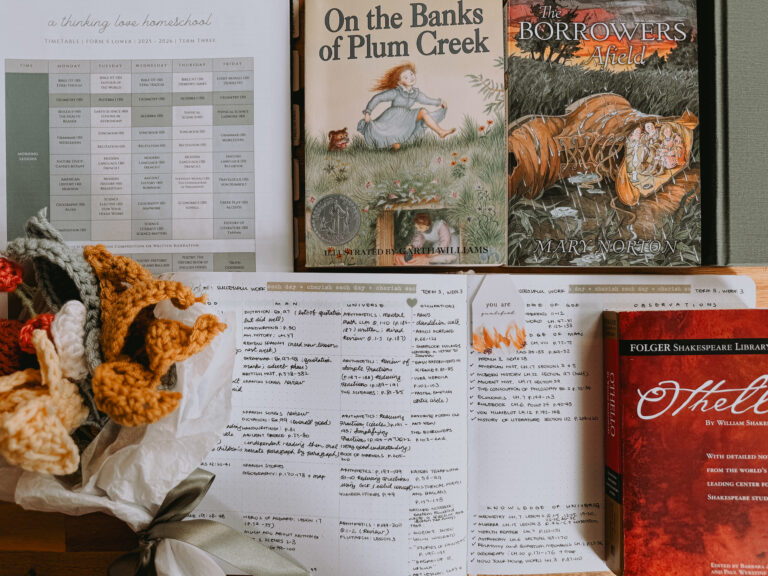
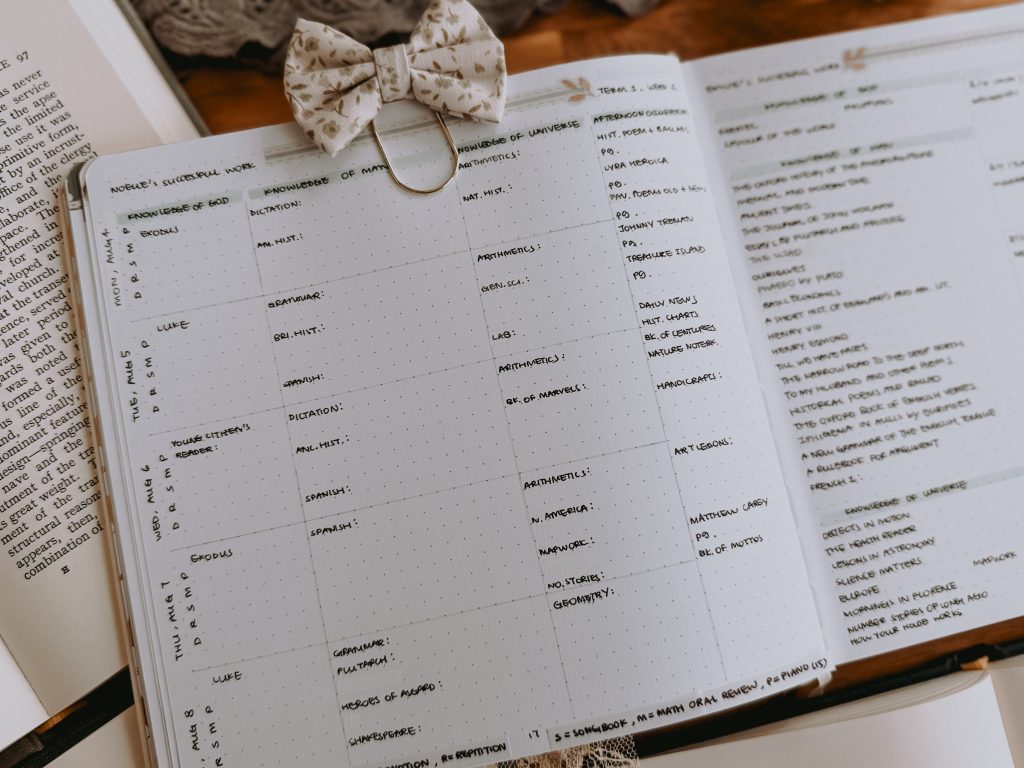
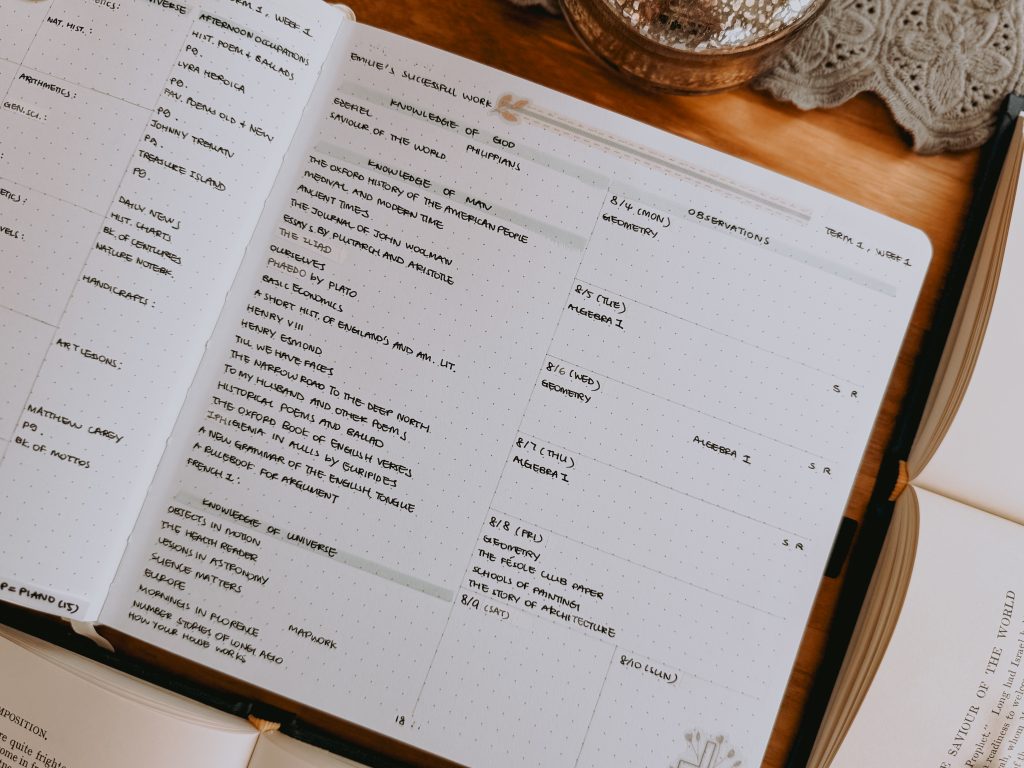
Every week, my Form 2A (left) and Form 5 (right) each gets a page to record their successful work in the knowledge of God, the knowledge of man, and the knowledge of the universe, as well as how they spend their afternoons and weekends. Both students are on the same spread so I can easily see their progress at the same time.
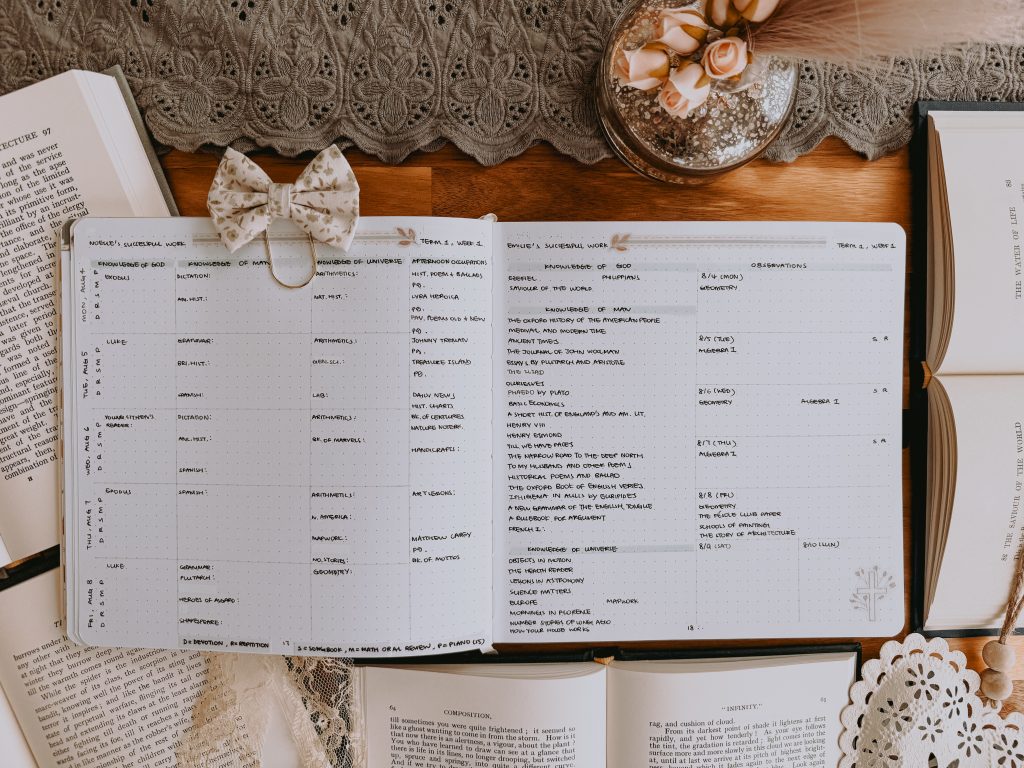
For my Form 2A, I give her a very brief checklist to complete before school (D=personal devotion; R=repetition; S=songbook; M=math oral review; and P=piano practice), then we work together in the morning as I note her progress and any observations or deviations from the time table each day. Her afternoons are spent independently, but I still plan to check in with her after lunch and before dinner time to fill out the “Afternoon Occupations” column.
Every morning, my Form 5 gets an hour of consultation time for math & science. Otherwise, she is mostly independent. So I don’t bother to divide up her work by day, and just list out all the books she will be reading on the left column. On the right column, I note down any observations during her school day. This year, since we are switching to the CMEC for the first year, I am curious how many hours she spends for lessons, and if she is able to have time for self-led learning and occupations in the afternoon. I also plan to record her emotions, how she manages stress, etc.
6. Weekly Meeting Notes & Term Reflections
The beauty of keeping a logbook is that I will have something to look back on when it is time for reflection. I devote the last few pages of my notebook for notes taken during my weekly and end-of-term meetings with each upper form student.
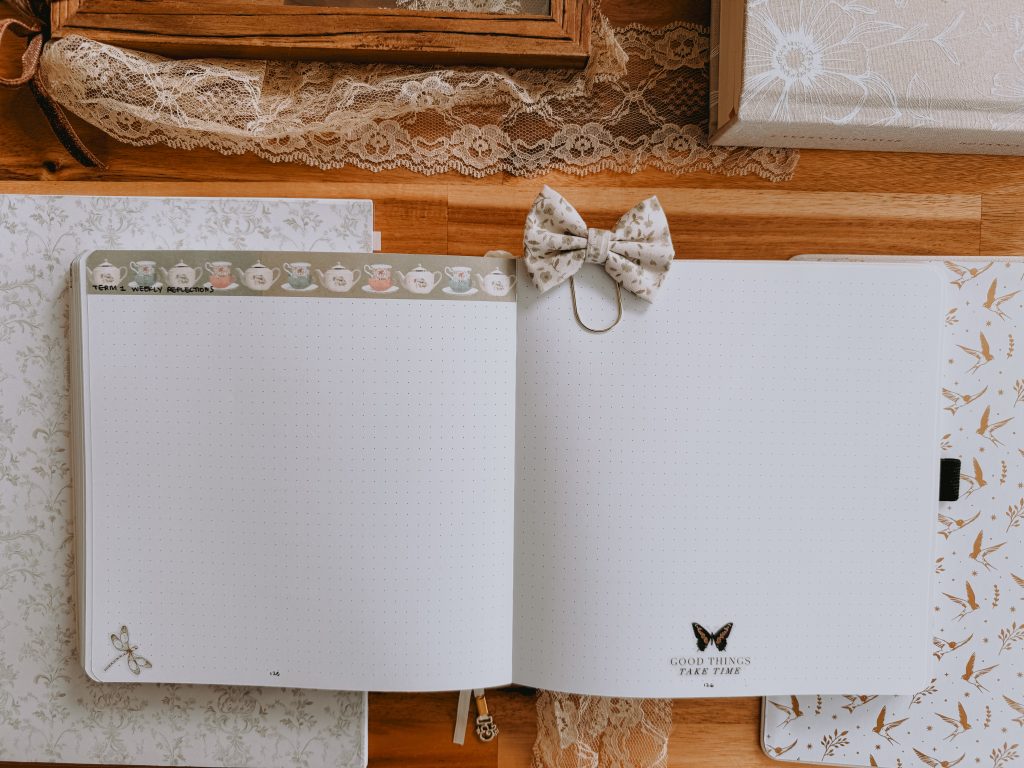
As Mason said,” A little painstaking thought and effort in the first place, and all comes easy.” One of my summer planning goals is to set up my logbook for the entire year. So I added page numbers, penciled it the lines, and decorated the pages. It’s great way to give my brain a break when I am drown in pre-reading for next year’s school books! And I know that when school kicks off, this precious tool will be ready for me, waiting to be filled with another year of wonderful memories.